Problem:
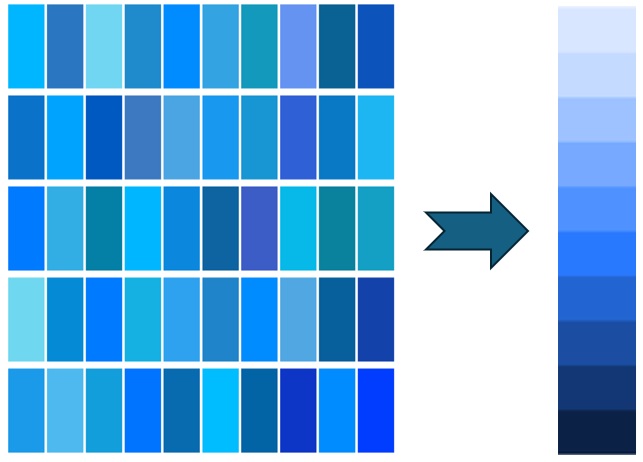
A large-scale, federally regulated digital platform suffered from inconsistent UI patterns, fragmented component usage, and limited accessibility compliance. The prior non-systematic style guides led to variability in user experience, ranging from inconsistent use of palate, including 52 different shades of blue alone, typography and interaction behaviors. This caused high friction with program business goals for valid consistent user experience in psychometric measurements. high defect rates, and ad hoc solutions.
Scope:
Normalization and modernization of user-experience for the national digital platform serving 3M+ users per administration. Gathering requirements across contract stakeholders to develop and integrate 80+ complex UI components, 100s of primitives, and design tokens governing layout, typography, interaction states and behaviors, and both the visual and navigational hierarchy to support 1000s of use cases.
Approach / Skills:
Served as co-lead for UX integration, with primary ownership of accessibility modernization. Led cross-contract workgroups and embedded directly with the design system team to ensure platform-native components aligned with the full range of usage patterns.
Defined and documented usage conventions, state logic, and edge-case behaviors for complex interactive components.
Led Section 508/WCAG alignment efforts by conducting compliance gaps analyses. Developed a backlog of 70 epic-level features for the roadmap and delivered the first 10. Coordinated with engineering vendors to implement accessible interaction patterns and ensure compatibility with telemetry and logging systems.
Applied systems thinking, UX governance, accessibility engineering principles, edge-case modeling, and cross-contract facilitation.
Results:
Delivered 10 high-impact accessibility features and established a roadmap for 60+ additional improvements, showing marked improvement and support for Section 508 compliance and delivered Accessibility Conformance Report (ACR & VPAT) for NAEP.
Normalized and improved front-end UX contributed to a 78% reduction in front-end UAT defects in the first administration. Improved UI consistency, reduced implementation variance across vendors, strengthened compliance posture, and embedded accessibility as a structural design constraint rather than a reactive fix.

